
Workshop tool organization is essential for creating a productive and safe working environment. A well-organized workshop not only enhances efficiency but also minimizes time spent searching for tools, allowing you to focus on your projects. Whether you’re a DIY enthusiast or a professional craftsman, understanding the fundamentals of tool organization can transform your workspace and improve your workflow.
This guide delves into various aspects of organizing tools, from storage solutions to cleaning tips, ensuring you have all the information needed to optimize your workshop setup. With insights into Feng Shui principles, outdoor considerations, and the role of organized tools in home improvement, you’ll find practical advice that can elevate your workshop experience.
Workshop Tool Organization Basics
Organizing tools in a workshop is essential for both efficiency and safety. A well-organized workshop allows users to locate tools quickly, reduces the risk of accidents, and enhances productivity. The effectiveness of any project can be significantly impacted by how well tools are stored and arranged.Common types of tools found in a workshop include hand tools, power tools, and measuring instruments.
Hand tools, such as hammers and screwdrivers, are often used for everyday tasks. Power tools, including drills and saws, provide the muscle needed for larger projects. Measuring tools, like tape measures and levels, ensure precision in every job. To maintain order, essential storage solutions such as pegboards, toolboxes, and shelving units can be employed.
Home Improvement and Tool Organization
Integrating tool organization with home improvement projects is crucial for a seamless workflow. When embarking on a renovation, having tools readily accessible not only saves time but also contributes to a smoother process. Common tools required for various home improvement tasks include saws for cutting, drills for fastening, and levels for ensuring alignment.Workshops play a significant role in enhancing DIY home improvement skills.
They provide a dedicated space where individuals can practice and refine their abilities while working on projects. This environment fosters creativity and encourages experimentation, leading to better results in home improvement tasks.
Cleaning Tips and Tools for Workshop Maintenance
Maintaining a tidy workshop environment is essential for both safety and productivity. Regular cleaning helps prevent accidents and ensures that tools remain in good condition. Effective cleaning methods include sweeping floors, wiping down surfaces, and organizing tools into their designated spaces.The best cleaning tools for workshop surfaces and equipment typically include brooms, dustpans, microfiber cloths, and appropriate cleaning solutions. Regular cleaning and organization not only promote safety but also extend the lifespan of tools and equipment.
Feng Shui in Workshop Design
Incorporating Feng Shui principles into workshop design can significantly enhance tool organization and overall workspace energy. The flow and arrangement of tools can promote a harmonious environment, making it easier to work efficiently. Tools should be arranged in a way that allows for easy access and movement.Examples of tools and storage solutions that promote a harmonious environment include adjustable shelving systems and storage bins that are both functional and aesthetically pleasing.
By aligning the workspace with Feng Shui principles, individuals can create a more positive and productive atmosphere.
Storage Solutions for Garage Workshops
Innovative storage ideas for organizing tools in a garage setting can transform chaotic spaces into efficient work areas. Utilizing vertical space is key; hanging tools on walls or installing overhead storage can maximize floor space. Modular storage systems offer the flexibility to customize storage based on specific needs. These systems can be expanded or reconfigured as tool collections grow, making them ideal for dynamic workshop environments.
Tools and Equipment Essentials
Must-have tools for any workshop setup include basic hand tools, power tools, and safety equipment. Organizing tools based on frequency of use is crucial; frequently used tools should be more accessible, while rarely used items can be stored away.Storage containers and methods for different tool types can vary. For example, smaller hand tools are best kept in portable toolboxes, while larger power tools can benefit from dedicated shelving or cabinets designed for easy access and protection.
Home Improvement Remodeling and Tool Organization
Organized tools can significantly streamline the remodeling process, allowing for a more focused approach to projects. The availability of tools impacts project timelines; having everything in its place prevents unnecessary delays.Categorizing tools based on specific remodeling tasks, such as demolition or framing, can further enhance efficiency. This organization allows for quick transitions between different stages of a project, ensuring that materials and tools are always on hand when needed.
Interior Design and Decorating Influence on Tool Organization
The relationship between workshop aesthetics and tool organization is often overlooked. Integrating design elements into workshop setups can create a visually appealing environment that enhances creativity.Tips for creating a stylish yet practical workspace include selecting color schemes that inspire you and using decorative storage solutions that complement the overall design. Ideas for achieving this balance may include using vintage toolboxes or stylish shelving that adds character to the workshop.
Outdoor Workshop Considerations
Organizing tools for outdoor workshops, such as those found on patio decks or gardens, requires special considerations. Weatherproof storage options are vital to protect tools from the elements and prolong their life.Accessibility in outdoor tool organization is crucial; tools should be easy to reach and stored in a manner that prevents clutter. Solutions like rolling carts or outdoor cabinets can facilitate easy access while keeping the workspace tidy.
Tools for Home Inspections
Specialized tools needed for conducting thorough home inspections include moisture meters, thermal imaging cameras, and inspection mirrors. Organizing inspection tools effectively ensures efficiency and thoroughness during the inspection process.Recommendations for storage solutions tailored for inspection tools might include dedicated cases that keep tools protected and organized. Proper organization not only facilitates efficiency but also enhances the overall quality of the inspection.
Final Thoughts
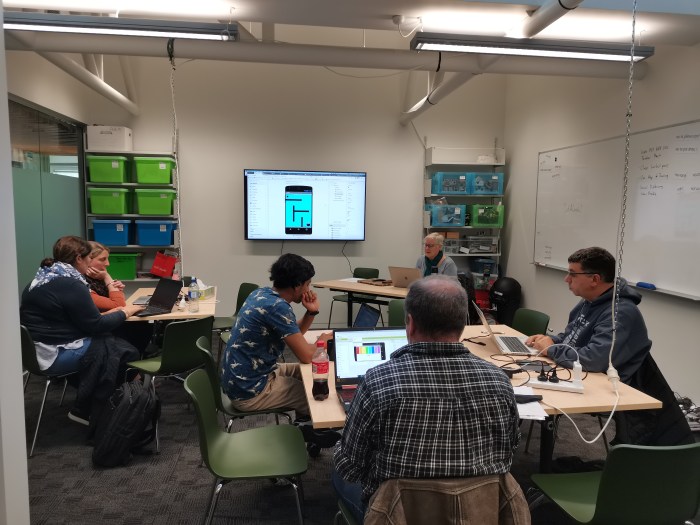
In conclusion, effective workshop tool organization is the backbone of any successful project. By implementing the strategies discussed, you can create a workspace that is not only functional but also enjoyable to work in. Remember, an organized workshop leads to enhanced creativity and efficiency, making every task a breeze. So gear up and start transforming your space today!
Answers to Common Questions
Why is tool organization important?
Tool organization saves time, enhances safety, and boosts productivity by providing easy access to necessary tools.
What are some common types of tools in a workshop?
Common tools include hand tools, power tools, and measuring instruments, each serving distinct purposes in various projects.
How can I maintain my organized workshop?
Regular cleaning, proper tool storage, and periodic decluttering can help maintain an organized workshop environment.
What storage solutions work best for small workshops?
Utilizing vertical space with wall-mounted shelves, pegboards, and modular storage systems can maximize limited space efficiently.
How can I incorporate Feng Shui into my workshop?
Arranging tools for optimal flow and ensuring an uncluttered space can promote positive energy and enhance creativity in your workshop.


