
Air purifier cleaning tips are essential for maintaining a healthy indoor environment. Regular upkeep of your air purifier not only boosts its efficiency but also ensures that you and your loved ones breathe clean air. Understanding how to properly clean and maintain your air purifier can prolong its lifespan and enhance its performance, making it a vital component of your home.
In this guide, we will explore the importance of routine maintenance, the various types of air purifiers and their cleaning requirements, as well as handy tips for organizing your cleaning supplies. Armed with this knowledge, you can keep your air purifier in top shape and enjoy the benefits of improved air quality.
Air Purifier Maintenance
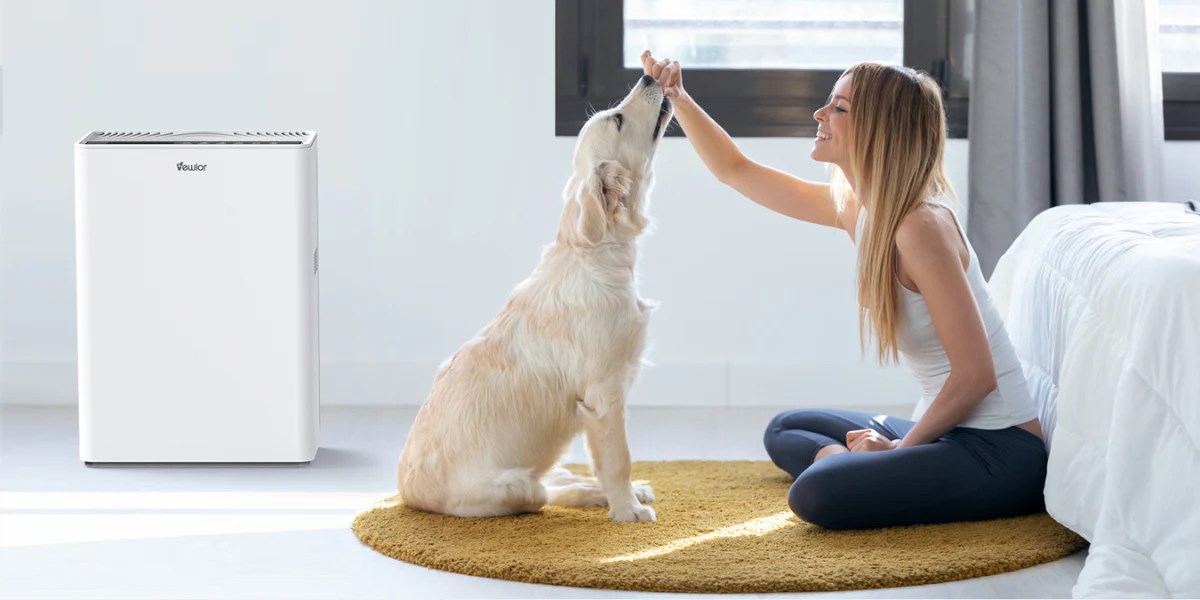
Maintaining your air purifier is essential for ensuring it operates efficiently and effectively. Regular maintenance helps to prolong the lifespan of the device while also improving the air quality in your home. Neglecting this key aspect can lead to decreased performance and possibly increased energy costs.To keep your air purifier in top condition, follow these step-by-step methods for cleaning air filters:
- Turn off and unplug the air purifier for safety.
- Remove the front cover carefully, following the manufacturer’s instructions.
- Take out the air filter and gently tap it to remove any loose dust and debris.
- For HEPA filters, vacuum lightly using a soft brush attachment to avoid damaging the fibers.
- Wash activated carbon filters with warm soapy water, but ensure they are thoroughly dried before reinserting.
- Reassemble the purifier and plug it back in.
Air purifiers should be cleaned and maintained every 3 to 6 months, depending on usage and the air quality in your area. Regular checks and cleaning of filters will ensure optimal performance.
Types of Air Purifiers
There are several types of air purifiers on the market, each with different cleaning needs. Common types include HEPA filters, activated carbon filters, and UV light purifiers. Each type plays a unique role in air purification, thus affecting how often they need maintenance.HEPA filters require regular cleaning as they capture fine particles from the air, while activated carbon filters are primarily designed to absorb odors and gases.
Here’s a brief comparison of their cleaning requirements:
| Filter Type | Cleaning Frequency | Maintenance Needs |
|---|---|---|
| HEPA Filter | Every 3-6 months | Wash with water, replace annually |
| Activated Carbon Filter | Every 1-3 months | Replace every 6 months |
Air purifiers with HEPA filters typically demand more frequent maintenance than those with activated carbon filters due to their particle-trapping capabilities.
Cleaning Tools and Supplies
Having the right tools and supplies on hand makes cleaning your air purifier much easier. Here are some essential items you should have:
- Soft brush attachment for vacuum
- Warm soapy water for washing filters
- Microfiber cloths for dusting
- Bucket for rinsing filters
- Gloves to keep your hands clean
It’s crucial to use the right cleaning agents to avoid damaging the filters. Generally, mild detergents work best, while harsh chemicals should be avoided as they can degrade the filter materials.Organizing your cleaning supplies effectively can save time and hassle. Consider designating a specific area in your home for these items, ensuring they are easily accessible when it’s time for maintenance.
Home Improvement and Air Quality
Maintaining your air purifiers significantly contributes to overall home improvement. Clean air not only enhances your living environment but also positively impacts your health and well-being. Integrating air purifiers into your home design can be both functional and aesthetically pleasing.By ensuring your air purifiers operate efficiently, you can protect your home furnishings and materials from dust and allergens. Clean air can prevent the deterioration of wooden furniture and fabrics, extending their lifespan and ensuring a healthier living space.
Feng Shui and Air Purification
Air quality plays a pivotal role in Feng Shui principles, which are centered around creating harmony and balance in living spaces. Positioning air purifiers correctly can enhance the flow of energy, or “chi,” throughout your home.To maximize energy flow according to Feng Shui:
- Place air purifiers in areas with heavy foot traffic to keep the air fresh.
- Avoid positioning them near clutter, as this can block energy flow.
- Incorporate natural elements, like plants, alongside air purifiers for a balanced environment.
Clean air enhances the flow of energy, promoting a sense of tranquility and well-being in your home.
Green Living and Environmental Impact
Choosing eco-friendly air purifiers is key to supporting sustainable living practices. Look for models that feature energy-efficient designs and replaceable filters to minimize waste. Regular maintenance of these devices ensures they continue to operate efficiently, further reducing your carbon footprint.The environmental benefits of using air purifiers extend beyond personal health. Clean air contributes to less pollution indoors, which can positively impact the overall environment, making it a vital part of green living.
Cleaning Tips for Other Home Appliances
It’s important to maintain cleanliness across various home appliances to enhance air quality. Here are some cleaning techniques you can implement:
- For vacuum cleaners, regularly empty the dust canister and wash or replace filters as needed.
- Wash and sanitize humidifiers frequently to prevent mold and bacteria buildup.
- Ensure range hoods and exhaust fans are cleaned periodically to maintain air quality in kitchens.
Maintaining cleanliness in bathrooms and showers is equally important. Regular cleaning of these areas helps to eliminate moisture and prevents the development of mold, which can significantly impact indoor air quality.
Seasonal Maintenance
Creating a seasonal cleaning schedule for air purifiers can help ensure they remain in optimal condition throughout the year. Here’s a basic checklist to follow:
- Spring: Clean filters thoroughly and check for any damage or wear.
- Summer: Monitor air quality and clean filters more frequently if needed, especially during allergy season.
- Fall: Prepare for winter by ensuring the purifier is clean and functioning before indoor heating starts.
- Winter: Regularly check the efficiency, especially if windows are closed for extended periods.
Weather conditions can impact the performance of air purifiers, and they may require more frequent cleaning during seasons with higher dust or pollen levels.
Home Inspections for Air Quality
During home inspections, air purifiers are often evaluated for their effectiveness in improving indoor air quality. Inspectors typically look for signs of wear and tear, filter conditions, and overall maintenance history.A clean air system is crucial for maintaining the value of your home. Regular upkeep of air purifiers not only ensures better air quality but also demonstrates to potential buyers that the home has been well-maintained.
Interior Design Considerations
When selecting air purifiers, consider how they complement your home decor. Many modern air purifiers are designed with aesthetics in mind, allowing them to blend seamlessly into your interior design. Stylish air purifiers can act as decorative elements, contributing to the overall ambiance of your home. Look for designs that enhance your space while effectively purifying the air, creating a harmonious environment that promotes health and well-being.
Final Wrap-Up
In conclusion, mastering air purifier cleaning tips not only helps in maintaining the device but also significantly contributes to your overall well-being. By following the Artikeld cleaning procedures and understanding the specific needs of different types of purifiers, you can ensure that the air in your home remains fresh and healthy. Embracing these practices not only enhances your living space but also supports a sustainable lifestyle.
FAQ Overview
How often should I clean my air purifier?
It’s recommended to clean your air purifier every 1 to 3 months, depending on usage and air quality.
Can I use regular cleaners to clean my air purifier?
It’s best to avoid using harsh chemicals; stick to mild soap and water for cleaning.
What tools do I need to clean my air purifier?
Essential tools include a soft cloth, vacuum with a brush attachment, and mild detergent.
Do I need to replace filters as well?
Yes, filters should be replaced according to the manufacturer’s recommendations, usually every 6 to 12 months.
How can I tell if my air purifier needs cleaning?
If you notice decreased airflow or unusual noises, it’s time to check and clean your air purifier.


