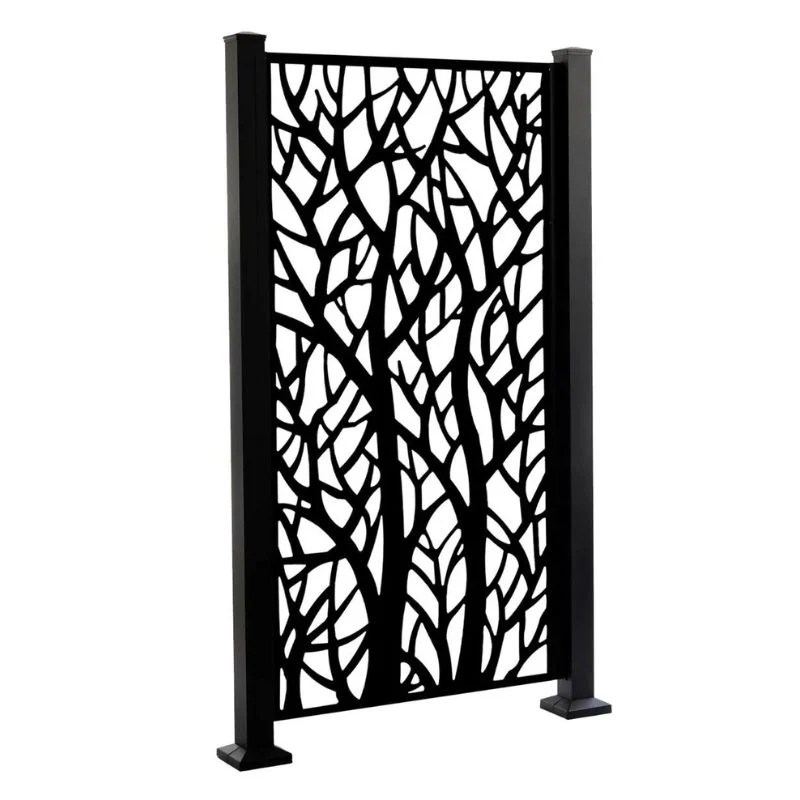
Kicking off with composite eco-decking designs, this innovative approach combines sustainability with style, making it an ideal choice for modern homeowners. As people become increasingly aware of environmental concerns, composite eco-decking rises to the occasion by offering durable and aesthetically pleasing options that enhance outdoor living spaces.
This material is not only made from recycled wood fibers and plastic, but it also presents numerous benefits, including reduced maintenance and long-lasting performance. With a variety of design elements and styles, composite eco-decking is transforming backyards into eco-friendly havens while ensuring that they remain visually appealing and functional.
Composite Eco-Decking Designs Overview
Composite eco-decking is an innovative solution that combines recycled wood fibers and plastic to create a durable and sustainable decking material. This blend not only provides the aesthetic appeal of traditional wood but also offers enhanced resistance to the elements, making it a popular choice for many homeowners. The materials used in composite eco-decking can include recycled plastics, such as milk jugs and grocery bags, alongside wood flour, which is a byproduct of lumber milling.The benefits of using composite eco-decking in home improvement projects are numerous.
First, it requires minimal maintenance compared to traditional wood decking, which often needs regular staining and sealing. Homeowners can enjoy the beauty of their outdoor spaces without the hassle of constant upkeep. Additionally, composite decking is less susceptible to warping, splintering, and insect damage, ensuring longevity and durability. Using composite materials also has a positive environmental impact. By opting for eco-decking, homeowners contribute to reducing the amount of waste in landfills, as many of the materials are recycled.
Additionally, the manufacturing process of composite decking uses significantly less energy compared to that of traditional wood, leading to a smaller carbon footprint overall.
Design Elements in Composite Eco-Decking
The design possibilities with composite eco-decking are virtually limitless, accommodating various styles and preferences. Homeowners can choose from sleek modern designs to rustic aesthetics, ensuring there is a perfect fit for every home. Innovative patterns and layouts can enhance the visual appeal of outdoor spaces. For example, a herringbone pattern can add sophistication, while alternating colors can create a unique visual rhythm across the deck.When comparing traditional decking with composite options, several differences are noteworthy.
Traditional wood decking often requires regular maintenance and can warp or fade over time, while composite decking retains its color and structural integrity for years. Furthermore, composite materials come in a variety of colors and textures, allowing for greater customization in design.
Integration with Home Improvement Appliances
Integrating eco-friendly appliances into outdoor spaces with composite decking can significantly enhance the functionality of these areas. From energy-efficient grills to solar-powered lighting, there are numerous appliances that complement the aesthetic and practical aspects of composite decks. These appliances not only boost the usability of outdoor areas but also promote sustainable living.Durability is a crucial factor when selecting appliances for composite decks.
Appliances made from stainless steel or other weather-resistant materials are ideal, as they ensure longevity and require minimal maintenance. Proper coordination of these appliances with the composite decking can create a cohesive and attractive outdoor area.Composite decking enhances outdoor living spaces by providing a sturdy and appealing foundation for various appliances. Whether it’s a cozy seating area or an outdoor kitchen, the combination of composite decking with the right appliances can create an inviting environment perfect for entertaining or relaxation.
Bath and Shower Inspirations
Composite materials can be effectively used to create outdoor showers, providing a refreshing and natural bathing experience. These showers can be designed to blend seamlessly with the surrounding environment, using materials that complement the looks of composite decking. For instance, adding natural stones or plants around the area can create a spa-like atmosphere.Transitioning from a bathroom to an outdoor deck can be achieved through clever design choices.
Elements such as sliding doors or open layouts can create a seamless flow from indoor to outdoor spaces. This design approach can enhance the overall aesthetic and functionality of both areas.Integrating composite decking around bathing areas offers significant aesthetic appeal. The textured surface of composite materials can enhance safety while providing a visually pleasing backdrop for outdoor relaxation. A well-designed outdoor bathing area can become a personal retreat, showcasing the beauty and versatility of composite decking.
Home Improvement Cabinets and Storage Solutions
Incorporating storage solutions into composite decking designs can improve the functionality of outdoor spaces. Built-in cabinets that match the composite material not only provide ample storage for outdoor essentials but also enhance the overall design. These solutions help keep outdoor areas organized and clutter-free.Innovative ideas for outdoor storage can include multi-functional furniture that doubles as storage or hidden compartments within the decking structure itself.
Such designs allow homeowners to make the most of their available space while maintaining a clean and polished look.The functional benefits of outdoor storage are significant, especially in composite decks. By designing storage into the deck itself, homeowners can easily access items like cushions, grill tools, or gardening supplies, all while keeping them protected from the elements.
Cleaning Tips and Tools for Composite Decking
Maintaining the beauty of composite eco-decking requires regular cleaning to prevent buildup of dirt and debris. One effective method is to use a mixture of mild soap and water, which can be applied with a soft-bristle brush. This method ensures the decking retains its appearance without damaging the surface.Essential tools for proper care of composite decking surfaces include a broom, a scrub brush, and a power washer, if necessary.
These tools aid in effectively removing dirt and stains while ensuring the deck remains in optimal condition.To prevent mold and mildew on composite materials, it is crucial to ensure proper drainage and ventilation. Keeping the surface clean and free of organic matter will also help in maintaining its integrity and appearance over time.
Concrete and Composite Decking Combinations
Using concrete underlayment with composite decking provides several advantages. The solid foundation of concrete minimizes movement and provides enhanced stability, particularly in areas prone to shifting soil or moisture. This combination ensures a long-lasting and durable deck.Structural considerations when integrating concrete with composite designs include ensuring proper drainage and the correct layering of materials. This attention to detail can prevent common issues such as water pooling and promote longevity.The aesthetic benefits of combining concrete and composite materials are notable.
Concrete can be stamped or stained to match the color and texture of the composite decking, creating a cohesive and visually appealing outdoor space that feels both modern and inviting.
Feng Shui Principles in Deck Design
Applying Feng Shui principles to outdoor spaces with composite decking can create a harmonious and balanced environment. Essential aspects include ensuring a clear flow of energy and selecting furniture that complements the layout of the deck.Positioning furniture and features on composite decks according to Feng Shui involves careful consideration of placement to encourage positive energy flow. For example, placing seating areas in a way that allows for comfortable interaction with nature can enhance the overall ambiance.Color choices in composite decking can significantly impact energy flow.
Lighter colors may promote tranquility and openness, while darker tones can provide grounding and stability. Selecting colors that resonate with the intended mood of the outdoor space is essential for achieving a balanced design.
Flooring Options and Composite Decking
When considering flooring options for outdoor decks, it is essential to compare available materials. While traditional wood offers a natural look, composite decking provides numerous advantages, including enhanced durability and reduced maintenance requirements. The benefits of choosing composite decking over traditional wood flooring are clear. Composite materials resist fading, staining, and splintering, making them ideal for high-traffic areas. Furthermore, the variety of styles and colors available allows homeowners to customize their outdoor spaces to fit their personal preferences.Different flooring designs can enhance the appeal of a composite deck.
For instance, using alternating colors or textures can create visual interest, while large format tiles can provide a contemporary look. Each design choice contributes to the overall aesthetic and functionality of the deck.
Furniture Selection for Composite Decks
Choosing outdoor furniture that complements composite decking requires careful consideration of style, durability, and materials. Furniture made from weather-resistant materials, such as aluminum or synthetic wicker, is ideal for maintaining its appearance and integrity over time.The durability and maintenance of furniture materials suitable for composite decks are essential factors to consider. Selecting furniture that can withstand outdoor elements without fading, rusting, or deteriorating ensures a longer lifespan and enhances the overall outdoor experience.Current trends in outdoor furniture designs that pair well with eco-decking include modular seating arrangements and sustainable materials.
These designs not only enhance the aesthetic appeal of the space but also align with the values of sustainability and environmental responsibility.
Green Living and Eco-Friendly Choices
Sustainable materials play a crucial role in home improvement projects, particularly when it comes to outdoor spaces. Composite eco-decking exemplifies a commitment to using resources wisely while enhancing the beauty and functionality of a home.Creating a green living space that includes composite decking involves thoughtful design choices and material selections. Incorporating elements like native plants, solar lighting, and rainwater collection systems can amplify the eco-friendly aspects of outdoor areas.Composite eco-decking contributes to reducing carbon footprints by minimizing the demand for new lumber and utilizing recycled materials.
This sustainable choice not only benefits the environment but also promotes a healthier lifestyle for homeowners.
Home Inspections Related to Decking
During a home inspection involving composite decking, several critical factors need to be evaluated. Inspectors should check for signs of wear, structural integrity, and adherence to local building codes. This thorough inspection ensures the decking remains safe and functional.Common issues that may arise with composite materials include fading, surface scratches, and mold growth. Keeping an eye on these issues and conducting regular maintenance can prevent costly repairs and extend the life of the decking.Compliance with local building codes for composite decks is vital to ensure safety and legality.
Homeowners should familiarize themselves with regulations regarding materials used, structural support, and spacing, ensuring their deck meets all necessary requirements.
House Plans Incorporating Composite Decking
Design ideas for house plans featuring composite decking can enhance the overall aesthetic and functionality of outdoor spaces. Open floor plans that extend seamlessly onto the deck create a spacious feel, while well-placed decks can serve as focal points in the landscape.The architectural benefits of integrating composite materials into house designs include increased property value and improved curb appeal. Decks that are well-designed add functional outdoor living space that resonates with potential buyers.Zoning considerations for outdoor decks in house plans should be taken into account to ensure compliance with local regulations.
Homeowners should check setback requirements and restrictions on deck sizes to avoid any future issues.
Interior Design and Composite Decking
Harmonizing indoor and outdoor designs with composite decking can enhance the flow of living spaces. This connection can be achieved through the use of similar materials, colors, and textures, creating a cohesive look throughout the home.Using composite materials in transitional spaces, such as sunrooms or patios, can blur the lines between indoor and outdoor environments. This approach allows homeowners to enjoy the benefits of natural light and fresh air while maintaining a stylish aesthetic.Color schemes that enhance the relationship between interior design and outdoor decking should be carefully selected.
Coordinating hues can create a unified and inviting atmosphere that enhances the overall home experience.
Patio Deck Innovations
Innovative patio deck designs using composite materials are becoming increasingly popular, offering homeowners a blend of style and functionality. Features such as built-in seating, planters, and lighting can transform an ordinary patio into an extraordinary outdoor space.Maximizing small outdoor spaces with composite decking involves creative solutions such as multi-level designs or smart furniture arrangements that make the most of limited square footage.
These strategies help to create an inviting atmosphere even in compact areas.Trends in patio designs that favor eco-friendly materials are on the rise, reflecting a growing awareness of sustainability. Patio spaces that incorporate composite decking often include elements like pergolas, vertical gardens, and water features that enhance the outdoor experience while respecting environmental values.
Remodeling with Composite Eco-Decking
Approaching remodeling projects that incorporate composite decking requires careful planning and consideration. Homeowners should assess their existing structures, determining the best integration methods for new materials alongside old.Successful case studies of remodeling using composite materials showcase the versatility and aesthetic appeal of these products. Many homeowners have transformed worn-out wood decks into stunning composite spaces, enhancing their outdoor enjoyment.The planning process for integrating composite decking into existing structures involves evaluating structural support, drainage systems, and design continuity.
This comprehensive approach ensures a seamless transition and a beautiful final product.
Roofing Solutions for Composite Decks
Roofing options that protect composite decking from the elements include awnings, pergolas, and retractable canopies. These features not only shield the deck but also enhance its usability, allowing for year-round enjoyment.Design ideas for awnings and pergolas that enhance composite deck use can include stylish fabric choices and architectural details that complement the home’s style. A well-designed shade structure can elevate the outdoor experience while providing essential sun protection.Roofing materials that can complement composite eco-decking should be chosen carefully to ensure a harmonious look.
Options like natural wood or metal finishes can create a cohesive design that enhances the overall aesthetics of the outdoor space.
Home Improvement Security Measures
Security features that can be integrated into composite decking designs include motion-sensor lighting, railings with built-in locks, and surveillance cameras. These elements enhance safety while providing peace of mind for homeowners.Securing outdoor spaces is essential for both safety and privacy. Creating enclosed areas or utilizing landscaping as a natural barrier can improve the security of decks and patios.Ideas for surveillance and lighting that enhance security on composite decks include strategically placed lighting fixtures that illuminate walkways and entrances.
This approach not only improves visibility but also deters potential intruders.
Storage Garage Solutions
Using composite materials in garage storage designs offers innovative and practical solutions for organizing tools and equipment. Composite cabinetry can withstand the rigors of a garage environment while providing a stylish and functional storage option.Innovative ideas for organizing tools and equipment in outdoor spaces can include wall-mounted systems, rolling carts, and multifunctional furniture that maximizes available space. These solutions create a more efficient and tidy workspace.Creating a seamless transition between a garage and composite decking can enhance the functionality of outdoor areas.
This connection enables easy access to outdoor spaces, fostering a more versatile and enjoyable living environment.
Swimming Pools and Spas Integration
Design tips for integrating composite decking around pools and spas include ensuring proper drainage and using non-slip materials for safety. These considerations promote a safe and enjoyable swimming experience.Using composite materials near water requires attention to safety and maintenance. Ensuring that the decking is resistant to water damage and easy to clean is crucial for longevity and visual appeal.Beautiful poolside composite decking designs showcase the versatility of these materials.
Homeowners can create stunning outdoor environments that enhance their enjoyment of swimming pools and spas while providing a welcoming space for relaxation.
Tools and Equipment for Composite Deck Maintenance
Essential tools for building and maintaining composite decks include drills, saws, and leveling tools that ensure precision during installation. These tools are vital for achieving quality results and ensuring long-lasting performance.Equipment needed for installation and repair of composite materials includes specialized fasteners and connectors designed for compatibility with composite decking. Utilizing these materials helps prevent common issues associated with deck construction.Selecting high-quality tools for long-lasting results is crucial in maintaining the integrity of composite decks.
Investing in durable equipment can lead to better performance and a longer lifespan for both the decking and the tools themselves.
Home Improvement Windows and Deck Visibility
Window design significantly impacts views of composite decking, emphasizing the importance of selecting styles that maximize natural light. Large windows or sliding glass doors can create a seamless connection between indoor and outdoor spaces.Maximizing natural light while incorporating composite decks involves careful placement of windows and consideration of landscaping elements. This approach enhances the overall ambiance and functionality of both indoor and outdoor areas.Choosing window styles that enhance outdoor visibility should focus on aesthetics and practicality.
Options like floor-to-ceiling windows or expansive glass panels can frame the beauty of composite decking while allowing for easy access to outdoor areas.
Final Review
In conclusion, the integration of composite eco-decking designs into home improvement projects is not just about aesthetics; it’s about making choices that are good for the planet. As homeowners continue to seek sustainable solutions, composite decking provides a versatile option that enhances outdoor living, ensuring that spaces are both beautiful and environmentally responsible. By embracing these designs, you can transform your outdoor areas into stunning retreats while contributing to a more sustainable future.
FAQ Explained
What are the main materials used in composite eco-decking?
Composite eco-decking is primarily made from a blend of recycled wood fibers and plastic, offering durability and weather resistance.
How does composite eco-decking compare to traditional wood decking?
Composite eco-decking requires less maintenance, is more resistant to rot and insects, and typically has a longer lifespan than traditional wood decking.
Can composite eco-decking be painted or stained?
No, composite eco-decking is designed to maintain its color and does not require painting or staining, which reduces ongoing maintenance costs.
Is composite eco-decking environmentally friendly?
Yes, composite eco-decking is made from recycled materials and helps reduce the demand for virgin timber, making it a more sustainable choice.
What maintenance is required for composite eco-decking?
Regular cleaning with soap and water, along with occasional inspections for mold or mildew, is typically sufficient to maintain composite decking.


