
Energy-efficient appliances are revolutionizing the way we consume energy in our homes, providing not just cost savings but also environmental benefits. As households strive to reduce their carbon footprint, these appliances have emerged as essential tools in the quest for sustainability.
From smart refrigerators to eco-friendly washing machines, the market offers a diverse range of energy-efficient options designed to meet various household needs while minimizing energy consumption. Understanding the benefits and features of these appliances can help consumers make informed choices that align with their values and lifestyles.
Energy-efficient appliances
In today’s world, energy-efficient appliances have become essential for modern households. Not only do they help reduce energy consumption, but they also lead to significant savings on utility bills. By selecting appliances that prioritize efficiency, homeowners can contribute to a greener environment while enjoying the benefits of advanced technology.Energy-efficient appliances come with several advantages, including lower energy costs, reduced environmental impact, and improved performance.
They operate using advanced technology that minimizes energy waste, making them a smart choice for budget-conscious consumers. These appliances are available in various categories, such as refrigerators, washing machines, dishwashers, and more. Each category boasts options designed specifically to maximize efficiency and performance.
Types of Energy-efficient Appliances
There are different types of energy-efficient appliances available in the market, catering to various household needs. Here’s a brief overview of some popular categories:
- Refrigerators: Models with high Energy Star ratings consume less electricity while maintaining optimal cooling.
- Washing Machines: High-efficiency washers use less water and energy per load, making laundry day more eco-friendly.
- Dishwashers: Efficient dishwashers can save significant amounts of water and energy compared to older models.
- Ovens and Stoves: Induction cooktops and convection ovens are designed to heat food faster while using less energy.
- Water Heaters: Energy-efficient water heaters reduce energy consumption by maintaining heat effectively.
Key Features to Look For
When purchasing energy-efficient appliances, it’s crucial to consider several key features to ensure you’re making a smart investment:
- Energy Star Certification: Look for appliances with the Energy Star label, indicating they meet strict energy efficiency guidelines.
- Advanced Technology: Features like smart sensors and programmable settings can further enhance energy savings.
- Size and Capacity: Choose appliances that fit your household’s needs to avoid energy waste from underutilization.
- Warranty and Support: A good warranty can save you money on repairs, making it a valuable feature to consider.
Home Improvement Appliances
Energy-efficient appliances play a pivotal role in home renovation projects, offering homeowners the chance to improve their living spaces while reducing their carbon footprint. Incorporating energy-efficient options into renovations not only promotes sustainability but also enhances property value.When planning a home improvement project, it’s essential to have a checklist to choose the best appliances that align with your efficiency goals.
A well-thought-out selection ensures that updated appliances will provide lasting benefits and performance.
Checklist for Choosing Home Improvement Appliances
Here’s a handy checklist to guide you in selecting the right energy-efficient appliances during your home renovations:
- Check for Energy Star ratings to ensure optimal efficiency.
- Evaluate the space available for installation to choose appropriately sized appliances.
- Assess the features and technology options available in each appliance category.
- Estimate the operating costs based on energy consumption and efficiency ratings.
- Consider aesthetics and functionality to maintain a cohesive design in your renovated space.
Popular Energy-efficient Appliances
Some widely appreciated energy-efficient appliances that cater to various home needs include:
- Smart Thermostats: Regulate heating and cooling efficiently, reducing energy waste.
- High-efficiency Washers and Dryers: Designed to use less water and energy, leading to lower utility bills.
- LED Lighting: Offers significant energy savings compared to traditional lighting options.
- Energy-efficient Refrigerators: Keep food fresh while consuming less power through innovative cooling technology.
Bath and Shower
Integrating energy-efficient appliances in bathrooms can significantly reduce both water and energy consumption. With the right fixtures, homeowners can create an eco-friendly space that contributes to sustainability while ensuring comfort and functionality.Installing energy-efficient showerheads and faucets is a simple way to enhance water conservation efforts in the bathroom. These fixtures are designed to provide a powerful flow of water while using significantly less than traditional models.
Eco-friendly Showerheads and Faucets
Eco-friendly showerheads and faucets offer numerous advantages, such as:
- Water-saving Technology: Features like aerators and flow restrictors help limit water usage without sacrificing performance.
- Variety of Styles: Available in numerous designs to fit any bathroom decor while promoting efficiency.
- Easy Installation: Most eco-friendly options can be installed without professional assistance, making them accessible.
Energy-efficient Water Heaters
Energy-efficient water heaters provide numerous benefits for bath and shower use, ensuring hot water is available while consuming less energy. They often utilize advanced insulation and heating elements that significantly improve performance.
By upgrading to an energy-efficient water heater, homeowners can save a considerable amount on energy bills while enjoying reliable hot water access.
Choosing the right water heater can enhance comfort and reduce strain on your energy resources, making it a worthwhile investment in your home’s efficiency.
Home Improvement Cabinets
Energy-efficient appliances can greatly influence kitchen cabinet design, enabling homeowners to create spaces that are not only functional but also environmentally friendly. When integrating these appliances, thoughtful cabinet design enhances both convenience and aesthetics.Storage solutions are vital for ensuring that energy-efficient appliances fit seamlessly into kitchen cabinetry. Custom cabinets can optimize space and functionality, accommodating modern appliances that prioritize efficiency.
Storage Solutions for Integrating Appliances
Here are effective storage solutions for incorporating energy-efficient appliances into cabinet spaces:
- Pull-out Shelves: Perfect for maximizing storage while ensuring appliances are easily accessible.
- Custom Cabinetry: Designed specifically for energy-efficient models, allowing for optimal use of space and style.
- Dedicated Appliance Garages: Conceal appliances when not in use to maintain a clean and organized look.
Traditional vs. Energy-efficient Appliance Installations
When comparing traditional and energy-efficient appliance installations within cabinetry, consider the following:
| Aspect | Traditional Appliances | Energy-efficient Appliances |
|---|---|---|
| Energy Consumption | Higher energy usage | Lower energy usage |
| Design Flexibility | Limited options | Greater design opportunities |
| Cost Savings | Higher utility bills | Significant cost savings over time |
Cleaning Tips and Tools
Maintaining energy-efficient appliances is crucial for ensuring they continue to operate optimally. A regular cleaning routine not only improves performance but also extends the lifespan of appliances, making it essential for homeowners to adopt effective maintenance practices.Incorporating eco-friendly cleaning tools complements the efficiency of appliances, promoting a holistic approach to household sustainability. Using products that are safe for the environment keeps homes clean while supporting energy-saving efforts.
Cleaning Routines for Maintenance
Implementing a cleaning routine can significantly impact the efficiency of energy-efficient appliances. Here are some tips to maintain your appliances:
- Regularly check and clean filters to ensure optimal airflow and performance.
- Wipe down surfaces and remove any dust or debris that may hinder functionality.
- Inspect seals and gaskets to prevent energy loss, particularly in refrigerators and ovens.
Eco-friendly Cleaning Tools
Choosing eco-friendly cleaning tools is an integral part of maintaining energy-efficient appliances. Consider the following options:
- Reusable Cloths: Reduce waste and are effective for cleaning surfaces.
- Biodegradable Cleaners: Safe for the environment while providing effective cleaning solutions.
- Natural Ingredients: Vinegar and baking soda can be used for various cleaning tasks, offering a non-toxic alternative.
Importance of Regular Maintenance
Regular maintenance is crucial for preserving energy efficiency in appliances. Keeping them clean and well-maintained ensures they operate at peak performance, minimizing energy consumption and extending their lifespan.
Proper care leads to energy savings and helps prevent costly repairs, making it a win-win for homeowners.
Home Improvement Concrete
Energy-efficient appliances contribute significantly to sustainability in concrete home structures. By incorporating these appliances, homeowners can optimize energy performance while enhancing the durability of their concrete homes.Integrating energy-efficient systems into concrete home designs is essential for maximizing efficiency and comfort. Thoughtful planning ensures that appliances work harmoniously with the home’s overall design and energy strategy.
Integration of Energy-efficient Systems
The integration of energy-efficient systems in concrete home designs can be achieved through various strategies:
- Proper Insulation: Ensures the home retains heat and reduces reliance on heating appliances.
- Smart Technology: Incorporating smart appliances that adjust based on usage patterns contributes to overall energy management.
- Renewable Energy Integration: Using solar panels or geothermal systems alongside energy-efficient appliances enhances sustainability.
Energy-efficient Concrete Materials
When considering energy-efficient concrete materials for appliance installation, homeowners should look for options that promote insulation and reduce energy loss. Examples include:
- Insulating Concrete Forms (ICFs): Provide excellent thermal resistance while allowing for efficient appliance use and installation.
- High-performance Concrete Mixes: Designed for strength and insulation, these materials enhance the overall efficiency of the home.
Feng Shui
Energy-efficient appliances align beautifully with Feng Shui principles in home design. By selecting appliances that promote efficiency and balance, homeowners can enhance their living spaces and contribute to positive energy flow.The placement of energy-efficient appliances is crucial in Feng Shui, as proper positioning can help create harmony within the home. Thoughtfully designing your space enhances both aesthetic appeal and functionality.
Placement of Energy-efficient Appliances
Proper placement of energy-efficient appliances can promote positive energy flow throughout the home. Consider the following tips:
- Position large appliances, like refrigerators and ovens, in a way that allows for easy access without obstructing pathways.
- Avoid placing appliances directly opposite doors or windows to prevent energy blockage.
- Incorporate plants or natural elements near appliances to enhance the energy balance in the space.
Choosing Appliances for a Balanced Environment
When selecting energy-efficient appliances that enhance a balanced home environment, consider the following:
- Color Schemes: Choose colors that promote calmness and harmony, such as soft greens and browns, for appliances.
- Materials: Opt for natural and sustainable materials that resonate with Feng Shui principles.
- Styles and Designs: Select appliances that fit the overall aesthetic and energy flow of each room.
Home Improvement Flooring
Selecting the right flooring options can greatly complement energy-efficient appliances. The choice of flooring impacts not only aesthetics but also insulation and energy consumption throughout the home.Understanding the relationship between insulation, flooring materials, and energy consumption is vital for creating an energy-efficient home. Proper insulation helps maintain comfortable temperatures, reducing the reliance on heating and cooling appliances.
Flooring Options for Energy Efficiency
Here are flooring options that pair well with energy-efficient appliances, enhancing overall home performance:
- Bamboo Flooring: A sustainable option that is both stylish and efficient in terms of insulation.
- Cork Flooring: Naturally insulating and eco-friendly, making it an excellent choice for energy efficiency.
- Carpet Tiles: Offer flexibility and insulation, reducing energy costs in homes.
Impact of Insulation and Flooring
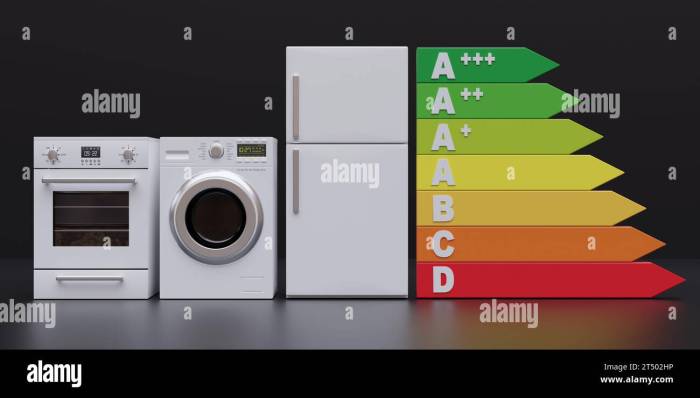
The impact of insulation and flooring on appliance energy consumption is significant. Homeowners should keep the following points in mind:
Properly insulated floors can help maintain comfortable temperatures, reducing the need for heating and cooling appliances.
Choosing the right flooring materials that are eco-friendly and energy-efficient supports a sustainable household, ultimately benefiting both the environment and budget.
Home Improvement Furniture
Energy-efficient appliances can influence furniture arrangement in living spaces by promoting a more functional and efficient environment. Thoughtful furniture placement can enhance accessibility to appliances while maintaining a visually appealing layout.Integrating furniture with energy-efficient technology can create a cohesive and modern living space. Homeowners can explore various options to maximize utility without compromising style.
Integrating Furniture with Energy-efficient Technology
Here are ideas for integrating furniture with energy-efficient technology effectively:
- Multifunctional Furniture: Use pieces that serve dual purposes, such as storage ottomans or coffee tables with built-in charging capabilities.
- Smart Furniture: Choose items equipped with technology to enhance energy efficiency, like lamps with energy-saving bulbs.
- Open Layouts: Create open floor plans that allow easy access to appliances while maintaining a spacious feel.
Examples of Multifunctional Furniture
Examples of multifunctional furniture that accommodate energy-efficient appliances include:
- Convertible Sofa Beds: Provide seating and sleeping space while optimizing room efficiency.
- Dining Tables with Built-in Storage: Offer convenience and functionality in small spaces.
- Desk with Charging Stations: Promote organized workspaces while integrating technology for energy efficiency.
Green Living
Energy-efficient appliances play a crucial role in promoting green living. By choosing these appliances, homeowners contribute to sustainability and a healthier environment. Making conscious lifestyle changes supports the use and effectiveness of energy-efficient options throughout the home.To support a sustainable household, homeowners can adopt various lifestyle changes that align with energy-efficient practices. Small adjustments can lead to significant savings and a reduced ecological footprint.
Lifestyle Changes for Energy Efficiency
Consider these lifestyle changes to support the use of energy-efficient appliances in your home:
- Unplug Devices: Disconnect devices when not in use to prevent phantom energy consumption.
- Use Energy-efficient Settings: Adjust appliances to energy-saving modes for optimal performance.
- Practice Water Conservation: Utilize water-efficient fixtures and reduce water usage in daily tasks.
Tips for Selecting Sustainable Appliances
When selecting appliances that contribute to a sustainable household, consider the following:
- Research Brands: Choose manufacturers known for their commitment to sustainability and eco-friendly practices.
- Evaluate Efficiency Ratings: Look for labels that indicate energy and water savings to ensure optimal performance.
- Prioritize Durability: Invest in appliances made from high-quality materials to reduce waste and promote longevity.
Home Inspections
When conducting home inspections, it’s essential to know what to look for in energy-efficient appliances. Evaluating their efficiency ratings can provide significant insight into the home’s energy performance and potential savings.Inspecting appliance efficiency ratings during a home inspection can help identify areas for improvement. Home buyers should prioritize these factors to ensure they are making informed decisions.
Checklist for Assessing Energy-efficient Appliances
Here’s a checklist for assessing energy-efficient appliances during a home inspection:
- Check for Energy Star labels and other efficiency certifications.
- Evaluate the age of appliances, as older models may be less efficient.
- Inspect for signs of wear or damage that may affect performance.
- Review energy consumption history to predict future utility costs.
House Plans
Incorporating energy-efficient appliances into house plans is crucial for maximizing efficiency from the outset. Thoughtful design ensures that appliances fit seamlessly into the overall layout, enhancing both functionality and energy performance.The layout of a home plays a significant role in maximizing appliance efficiency. A well-planned layout can contribute to energy savings and improved accessibility.
Importance of Layout for Appliance Efficiency
Consider the following aspects when designing a layout that maximizes appliance efficiency:
- Appliance Placement: Position appliances near power sources to minimize energy loss and maximize functionality.
- Open Floor Plans: Create layouts that allow for easy movement and accessibility to energy-efficient appliances.
- Natural Light: Incorporate windows and openings that promote natural light while reducing reliance on artificial lighting.
Examples of House Plans with Energy-efficient Systems
Various house plans feature energy-efficient systems. Here are a few examples:
- Passive Solar Design: Maximizes sunlight exposure for heating and lighting purposes.
- Net Zero Homes: Designed to produce as much energy as they consume, integrating renewable energy systems.
- Eco-Friendly Materials: Incorporate sustainable materials that support energy efficiency throughout the home.
Interior Design and Decorating
Aesthetically integrating energy-efficient appliances into home decor enhances the overall design while promoting sustainability. Thoughtful choices can ensure that appliances complement the space while functioning effectively.Choosing colors and materials that complement energy-efficient appliances can enhance the visual appeal of a room. A cohesive design creates a harmonious atmosphere, making the space feel inviting and comfortable.
Aesthetically Integrating Energy-efficient Appliances
When decorating with energy-efficient appliances, consider these strategies:
- Coordinating Color Palettes: Select colors that match your appliances and create a unified look throughout the space.
- Stylish Concealment: Use cabinetry and furniture to conceal appliances while ensuring they remain accessible.
- Highlighting Features: Use lighting to draw attention to energy-efficient appliances as focal points in your design.
Examples of Stylish Layouts
Here are some examples of stylish layouts that include energy-efficient technology:
- Modern Kitchens: Featuring sleek appliances with integrated cabinetry for a clean look.
- Open Living Spaces: Design layouts that utilize energy-efficient appliances as part of the overall decor.
- Eco-chic Designs: Incorporate natural materials and colors that enhance the beauty of energy-efficient appliances.
Patio Deck
Identifying energy-efficient outdoor appliances suitable for patios and decks can enhance outdoor living experiences while promoting sustainability. These appliances can transform outdoor spaces into functional areas for relaxation and entertainment.Using energy-efficient lighting for outdoor spaces can significantly reduce energy consumption while creating a welcoming atmosphere. Thoughtful placement of lighting fixtures can enhance the beauty of your outdoor environment.
Energy-efficient Outdoor Appliances
When selecting outdoor appliances for patios and decks, consider these energy-efficient options:
- Solar-powered Lights: Harness solar energy to illuminate outdoor spaces without increasing electricity bills.
- Electric Grills: Offer a cleaner alternative to traditional gas grills while providing efficient cooking options.
- Outdoor Refrigerators: Energy-efficient models keep beverages cool without excessive energy consumption.
Creating a Sustainable Outdoor Entertainment Area
Here are ideas for creating a sustainable outdoor entertainment area with energy-efficient appliances:
- Incorporate seating and dining setups around energy-efficient grills and cooking appliances.
- Use solar-powered lighting for ambiance during evening gatherings.
- Integrate eco-friendly furniture made from sustainable materials that align with an environmentally-conscious lifestyle.
Home Improvement Remodeling
Upgrading existing appliances to energy-efficient models during remodeling projects can significantly enhance a home’s overall performance. Homeowners gain not only improved efficiency but also potentially lower utility costs in the long run.Budgeting for energy-efficient appliances in renovation projects is crucial for ensuring that homeowners can make the most of their investments. Thoughtful planning can help maximize benefits while staying within financial constraints.
Upgrading to Energy-efficient Models
Here are steps to consider when upgrading to energy-efficient models during remodeling:
- Assess current appliance performance and identify areas for improvement.
- Research energy-efficient options that fit within your budget and space constraints.
- Consult with professionals to ensure proper installation and integration into the overall design.
Coordinating Remodeling Designs
Coordinating remodeling designs with energy-efficient features can create a harmonious living space. Here are some tips:
- Incorporate energy-efficient appliances into the kitchen and bathroom designs to enhance functionality.
- Choose materials and finishes that complement the overall aesthetic while promoting sustainability.
- Plan layouts that facilitate easy access to appliances, ensuring convenience and efficiency.
Concluding Remarks
In summary, incorporating energy-efficient appliances into your home is a smart move that benefits both your wallet and the planet. By making informed choices and embracing the latest technologies, you contribute to a greener future while enjoying the comforts and conveniences of modern living.
Essential FAQs
What are energy-efficient appliances?
Energy-efficient appliances are designed to use less energy while maintaining the same level of performance, helping to reduce energy bills and environmental impact.
How can I identify energy-efficient appliances?
Look for labels such as Energy Star, which indicate that the appliance meets specific energy efficiency guidelines set by the U.S. Environmental Protection Agency.
Are energy-efficient appliances more expensive?
While they may have a higher upfront cost, energy-efficient appliances often lead to significant savings on energy bills over time, making them a worthwhile investment.
Do energy-efficient appliances really save money?
Yes, they can save you money by reducing your energy consumption, which lowers your utility bills.
Can energy-efficient appliances affect home value?
Yes, homes equipped with energy-efficient appliances often have higher market value and appeal to environmentally conscious buyers.


